
Entering the Indian Market
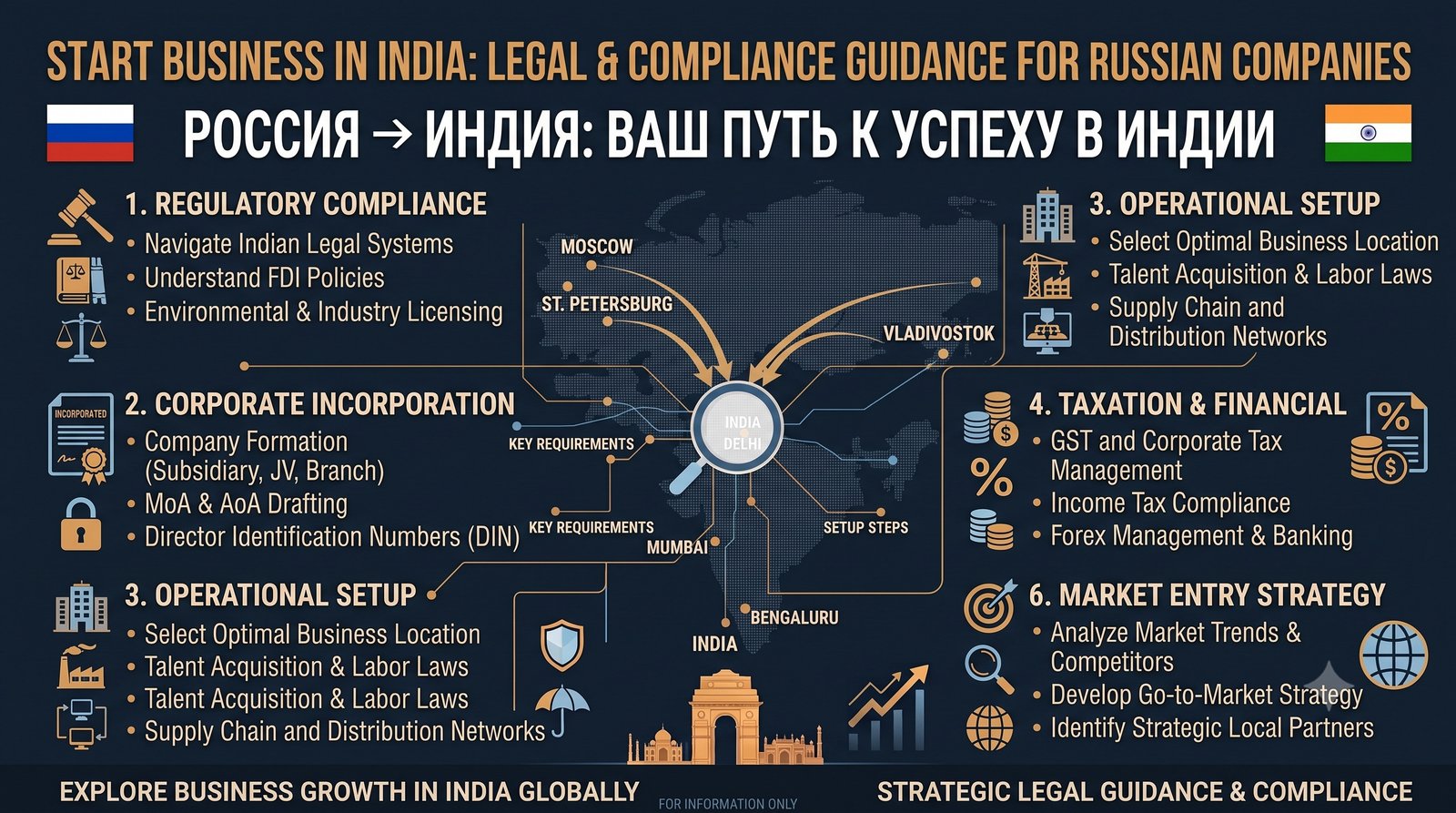
India offers significant opportunities for foreign businesses, but successful entry requires a clear legal and regulatory roadmap. Businesses entering India must evaluate market structure, route-to-market planning, suitable entity options, approvals, contractual arrangements, intellectual property protection, and ongoing compliance before launch. Foreign Company Entry into India: Complete Legal, Regulatory & Compliance Support Expand Your Business into One of the World's Fastest-Growing Economies India has emerged as a preferred destination for foreign investors, multinational corporations, startups, manufacturers, technology companies, healthcare organizations, educational institutions, and trading businesses. With a large consumer market, skilled workforce, improving infrastructure, and investor-friendly policies, India offers significant opportunities for international businesses seeking long-term growth. However, entering the Indian market requires careful legal planning, regulatory compliance, foreign investment structuring, tax registration, licensing, and ongoing corporate governance. Our legal and advisory team assists foreign companies, investors, entrepreneurs, and multinational groups in establishing and operating their business presence in India while ensuring full compliance with applicable laws and regulations.
We assist foreign companies in planning, structuring, and implementing their India entry strategy through practical legal support across establishment, investment, contracting, compliance, and risk management. For consultation, legal advice, compliance assistance, or professional consultation, please contact us at compliance@anaipr.com. call@ +919430287517
India is a large and diverse business environment where language, culture, consumer behavior, economic development, and market conditions can vary significantly from one state and region to another. Because of this, foreign businesses should avoid a one-size-fits-all entry model and instead adopt a strategy tailored to their sector, target market, and operational goals.
A well-designed India entry strategy usually includes market assessment, business structuring, corporate law, due diligence, documentation planning, licensing review, and execution support. Businesses also need to think carefully about pricing, distribution, local partnerships, certifications, labeling, and intellectual property before launching operations.
Why Foreign Businesses Need India Entry Legal Support
Entering India is not only a commercial decision but also a legal and compliance exercise. Foreign companies frequently need support on choosing the right operating structure, understanding foreign investment conditions, preparing legally sound contracts, reviewing approvals, and reducing risk before they invest time and capital. Our India Entry Strategy service is designed for overseas businesses that want a practical, legally structured path into India.
Plan Your India Entry
Tell us about your requirement and our attorneys will respond promptly.





Our India Entry Services
Click any area below to view the details.
Foreign businesses may enter India through different structures depending on their industry, investment plans, control objectives, and commercial model. Common approaches include wholly owned subsidiaries, joint ventures, branch offices, liaison offices, project offices, distribution arrangements, agency models, and strategic partnerships.
We help clients evaluate which model is most suitable for their proposed India operations.
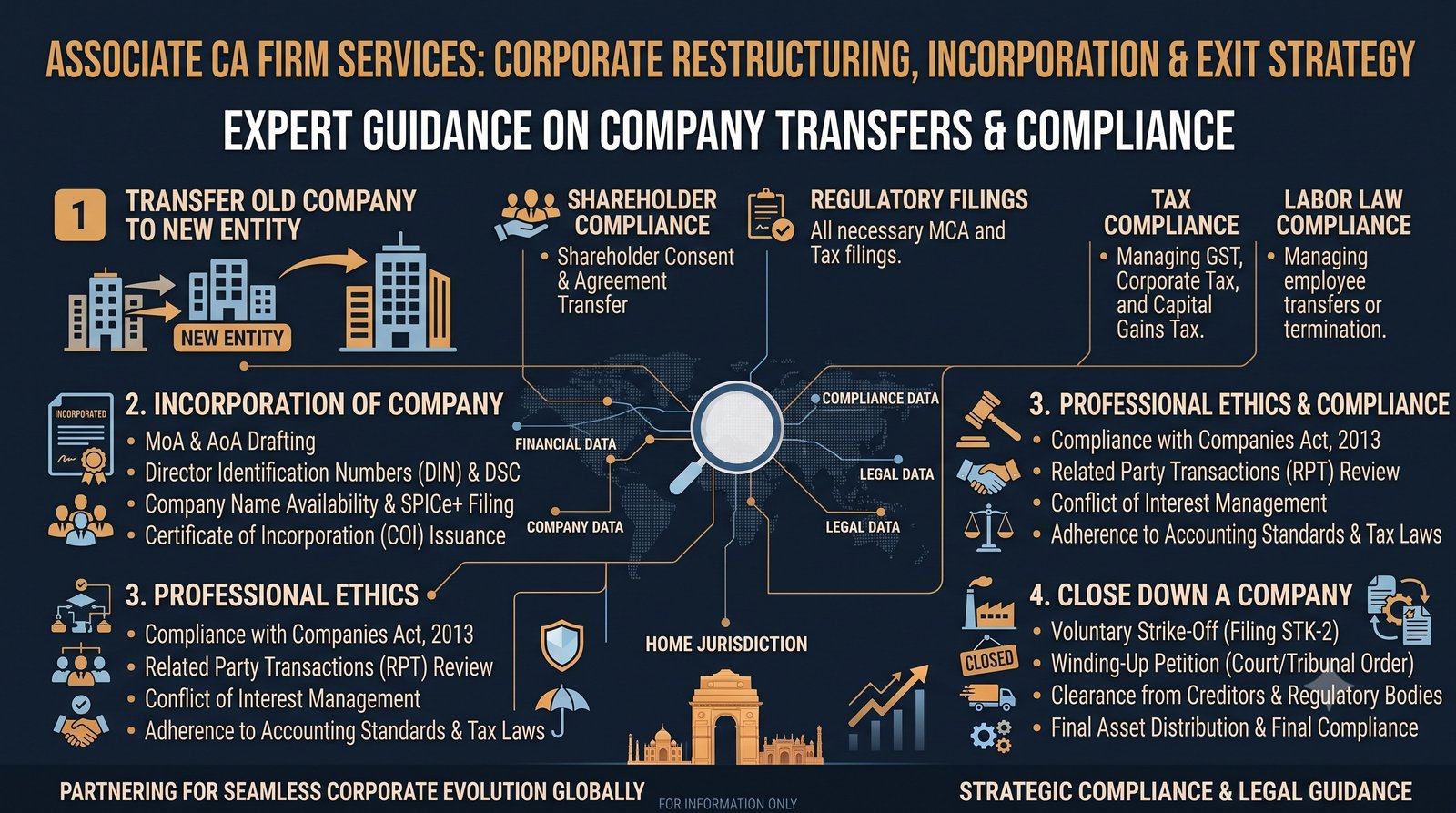
A successful India entry often begins with selecting the appropriate legal structure and preparing the right corporate framework. This may involve incorporation support, governance planning, shareholder structuring, board documentation, and initial compliance mapping.
We assist clients in organizing the legal foundation for their India presence in a manner aligned with business goals and regulatory requirements.
Foreign investment into India must be assessed in light of applicable investment routes, sectoral conditions, reporting obligations, and exchange control considerations. Businesses entering India often need guidance on ownership structure, capital planning, documentation, and post-investment compliance.
We support clients in reviewing India entry from the perspective of foreign investment and FEMA-linked structuring.
Many foreign companies consider Indian partners, distributors, or agents to improve local access and commercial execution. Official India market guidance notes that route-to-market challenges are often addressed through Indian partners or agents, and that due diligence is strongly recommended to identify credible and reliable partners.
We assist with partner evaluation support, joint-venture documentation, shareholder rights, governance arrangements, confidentiality protections, and risk allocation.
India entry requires strong documentation with local counterparties. Foreign businesses often need carefully drafted agreements with distributors, agents, suppliers, consultants, service providers, franchisees, or technology partners.
We prepare and review commercial contracts designed to reflect legal enforceability, commercial clarity, and cross-border risk management.
Businesses entering India may require various registrations, licenses, approvals, certifications, or procedural clearances depending on sector, product type, business model, and location. Official guidance highlights that obtaining mandatory approvals and understanding documentation procedures are important parts of successful India entry.
We help identify likely regulatory touchpoints and support clients in planning their compliance path before launch.
Protection of trademarks, brands, technology, software, content, know-how, and confidential information should be addressed at an early stage of market entry. India market-entry guidance specifically identifies intellectual property protection as an important consideration for new entrants.
We assist clients with IP-related strategy, documentation, confidentiality protections, contract clauses, and brand-protection measures connected with India entry.
Foreign companies entering India often need legal support relating to employee hiring, consultant appointments, leadership roles, internal authority structures, confidentiality protections, and employment documentation. Workforce planning should be aligned with the chosen India entry structure and operational model.
We support clients in preparing key employment-related legal documentation for Indian operations.
India entry decisions often raise legal issues that overlap with tax planning, including profit repatriation, intercompany transactions, withholding exposure, permanent establishment concerns, and related-party arrangements. These issues are typically best reviewed at the structuring stage so that businesses do not face avoidable complications later.
Cross-border transactions should be structured with dispute prevention in mind. Commercial arrangements in India should include clear terms on payment, liability, performance standards, governing law, termination, confidentiality, and dispute resolution.
We assist clients in developing legally robust documentation and dispute-management frameworks for India-linked business arrangements.
Step-by-Step Overview of the Complete Process
Company Name Reservation & Incorporation.For legal advice, compliance assistance, or professional consultation, don't hesitate to get in touch with us at compliance@anaipr.com.
Selection and reservation of a suitable company name through the Ministry of Corporate Affairs (MCA), followed by filing of incorporation documents.
Incorporation or Office Registration
Depending on the chosen structure:
For Subsidiary / Joint Venture: MCA filings, Company incorporation, PAN and TAN allotment.
For Branch / Liaison / Project Office: RBI-related filings, Banking approvals, Registration formalities.
Regulatory Approvals
Certain sectors require approvals from:
Reserve Bank of India (RBI), Government Authorities, Sector Regulators, Industry-Specific Departments.
Tax Registration & Banking Setup
We assist in:
PAN Registration, TAN Registration, GST Registration, Professional Tax Registration (where applicable), Opening Corporate Bank Accounts.
Business Licences & Registrations
Depending on the industry:
Import Export Code (IEC), Shops & Establishment Registration, Labour Law Registrations, Factory Licences, FSSAI Registration, Professional Licences, Sector-Specific Approvals.
Ongoing Compliance & Corporate Governance
Foreign companies operating in India must comply with:
Annual ROC Filings, Income Tax Returns, GST Returns, Board Meetings, Statutory Registers, Accounting Standards, Audit Requirements, FEMA Compliance.
Failure to comply may result in penalties, restrictions, and regulatory action.
Estimated Professional Fees (Indicative)
Why Choose Our Firm
End-to-End Support Under One Roof
Our multidisciplinary team of Advocates, Chartered Accountants, Company Secretaries, Tax Consultants, and Regulatory Advisors provides comprehensive assistance throughout the India entry process.
Our Services Include
- India Entry Strategy Planning.
- Foreign Direct Investment (FDI) Advisory.
- Subsidiary Incorporation.
- Joint Venture Structuring.
- Branch Office Setup.
- Liaison Office Registration.
- Project Office Registration.
- FEMA & RBI Compliance.
- Tax Registration & GST Advisory.
- Trademark Registration.
- Import Export Code Registration.
- Labour Law Compliance.
- Corporate Secretarial Services.
- Annual Compliance Management.
We assist clients from the United States, United Kingdom, Europe, Middle East, CIS Countries, Central Asia, ASEAN Nations, Australia, Africa, and other international jurisdictions.
Key India Entry Issues to Evaluate
- Choice of entry model
- Wholly owned subsidiary versus joint venture
- Sector restrictions and foreign investment considerations
- Regional market selection
- Due diligence on partners and counterparties
- Licensing and mandatory approvals
- Import, distribution, and documentation issues
- Brand and trademark protection
- Commercial contract structure
- Employment and workforce setup
- Tax and repatriation-linked legal considerations
- Dispute resolution framework
Who This Service Is For
- Foreign companies exploring India for the first time
- Overseas manufacturers seeking Indian distribution or local operations
- International technology and SaaS businesses expanding into India
- Cross-border investors evaluating India market entry structures
- Businesses considering Indian subsidiaries or joint ventures
- Foreign brands seeking to protect and commercialize IP in India
- Overseas service providers appointing Indian partners or representatives
Why India Requires a Tailored Strategy
India is a complex and relationship-driven market. Official guidance notes that strategic planning, due diligence, patience, commitment, and consistent follow-up are important for success, and that face-to-face interactions are often valuable when formalizing business partnerships or agreements.
For foreign clients, this means India entry is rarely just a registration exercise. It is usually a structured combination of business planning, legal review, local adaptation, and carefully managed implementation.
How We Assist
We assist foreign businesses at different stages of India market entry, including:
- Initial legal assessment
- Structuring and setup planning
- Review of investment and compliance requirements
- Drafting and negotiation of commercial documents
- IP and confidentiality planning
- Regulatory mapping
- Workforce documentation
- Ongoing risk review and strategic legal support
Frequently Asked Questions
Click any question below to view the answer.
The right route depends on the business model, sector, commercial objectives, risk profile, and level of operational control required. Common models include subsidiaries, joint ventures, partner-led distribution structures, and other forms of local presence.
Not always, but many businesses use Indian partners or agents to address local market and route-to-market challenges. Official guidance also recommends careful due diligence before choosing such partners.
Due diligence helps identify credible and reliable partners and reduces commercial and compliance risk before contractual commitments are made.
Businesses should review structure, approvals, contracts, IP protection, workforce issues, compliance obligations, and sector-specific regulatory requirements before launch.For legal advice, compliance assistance, or professional consultation, please contact us at compliance@anaipr.com. or connect +919430287517
Planning to Enter India?
Contact us for legal support on India entry strategy, business structuring, regulatory planning, contracts, foreign investment issues, and risk management.
Contact Our India Entry Team